
Optimizing Light Exposure for Shade-Tolerant Plants
When it comes to growing shade-tolerant plants, proper light exposure is key to their health and growth. While these plants can thrive in low-light conditions, they still require some level of light to photosynthesize and flourish. By understanding how to optimize light exposure for shade-tolerant plants, you can create an ideal environment for them to thrive.
Understanding Light Requirements
Shade-tolerant plants are categorized based on their light requirements into:
- Full Shade: These plants can thrive in minimal to no direct sunlight, such as under dense trees or north-facing areas.
- Partial Shade: Plants in this category require a few hours of direct sunlight or dappled light to grow well.
Optimizing Light Exposure
Here are some tips to ensure your shade-tolerant plants get the right amount of light:
- Observe Your Garden: Monitor the sunlight patterns in your garden to determine the best spots for shade-loving plants.
- Prune Trees: Trim overhead branches to allow filtered light to reach the plants below.
- Use Reflective Surfaces: Place light-colored stones or reflective mulch around plants to bounce light back onto them.
- Rotate Pots: If growing in containers, rotate them regularly to ensure all sides receive adequate light.
Best Shade-Tolerant Plants
Some popular shade-tolerant plants include:
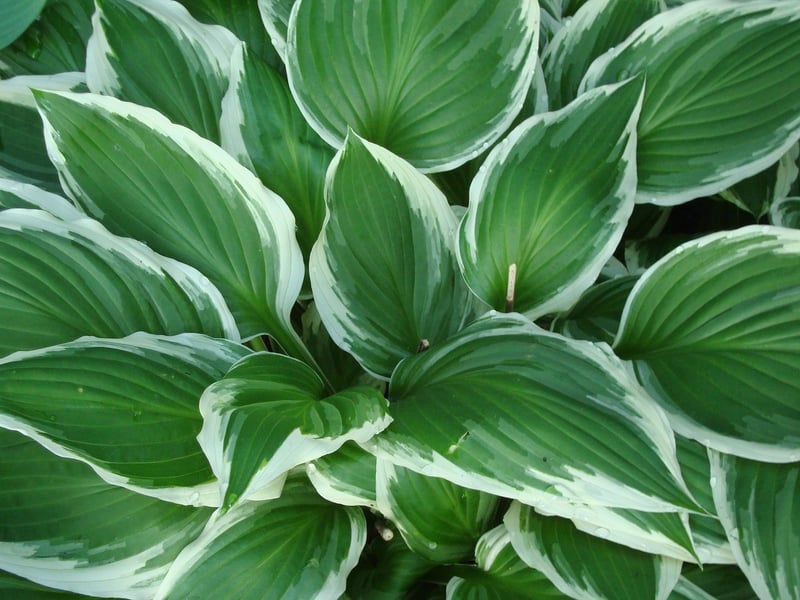
- Hostas: Known for their lush foliage, hostas thrive in shaded areas.
- Ferns: These elegant plants add a touch of green to any shaded corner.
- Bleeding Hearts: With heart-shaped flowers, these plants bloom beautifully in shady spots.
By following these tips and choosing the right shade-tolerant plants, you can create a vibrant and healthy garden even in areas with limited sunlight.
