Keeping Your Garden Healthy with Proper Fertilization
Having a healthy garden requires proper care and attention, and one essential aspect of this is fertilization. Fertilizing your garden provides essential nutrients to your plants, promoting growth, blooming, and overall vitality.
Why is Fertilization Important?
Plants require various nutrients to thrive, including nitrogen, phosphorus, and potassium. These nutrients are often lacking in the soil, especially in urban or heavily cultivated areas. Fertilization helps replenish these nutrients, ensuring your plants have everything they need to grow strong and healthy.
Types of Fertilizers
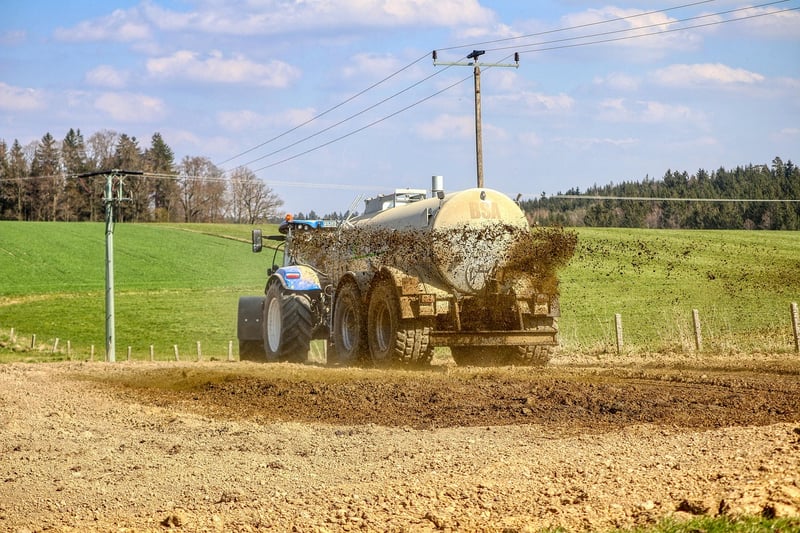
There are two primary types of fertilizers: organic and synthetic. Organic fertilizers, such as compost or manure, are derived from natural sources and provide a slow release of nutrients. Synthetic fertilizers, on the other hand, are manufactured and offer a quick nutrient boost to plants.
When to Fertilize
The timing of fertilization is crucial. In general, it is best to fertilize in the early spring when plants are actively growing. Avoid fertilizing during hot summer months or late fall when plants are entering dormancy.
How to Fertilize
Before fertilizing, it is essential to test your soil to determine its nutrient levels. This will help you choose the right type of fertilizer and avoid over-fertilization, which can harm your plants. Follow the instructions on the fertilizer package carefully to ensure proper application.
Additional Tips for Healthy Gardens
- Water your plants properly to help nutrients reach the roots.
- Use mulch to retain moisture and prevent weed growth.
- Rotate your crops to prevent nutrient depletion in the soil.
- Consider using natural pest control methods to avoid harmful chemicals in your garden.
By incorporating proper fertilization techniques and overall garden care, you can enjoy a lush, thriving garden that will be the envy of your neighborhood.